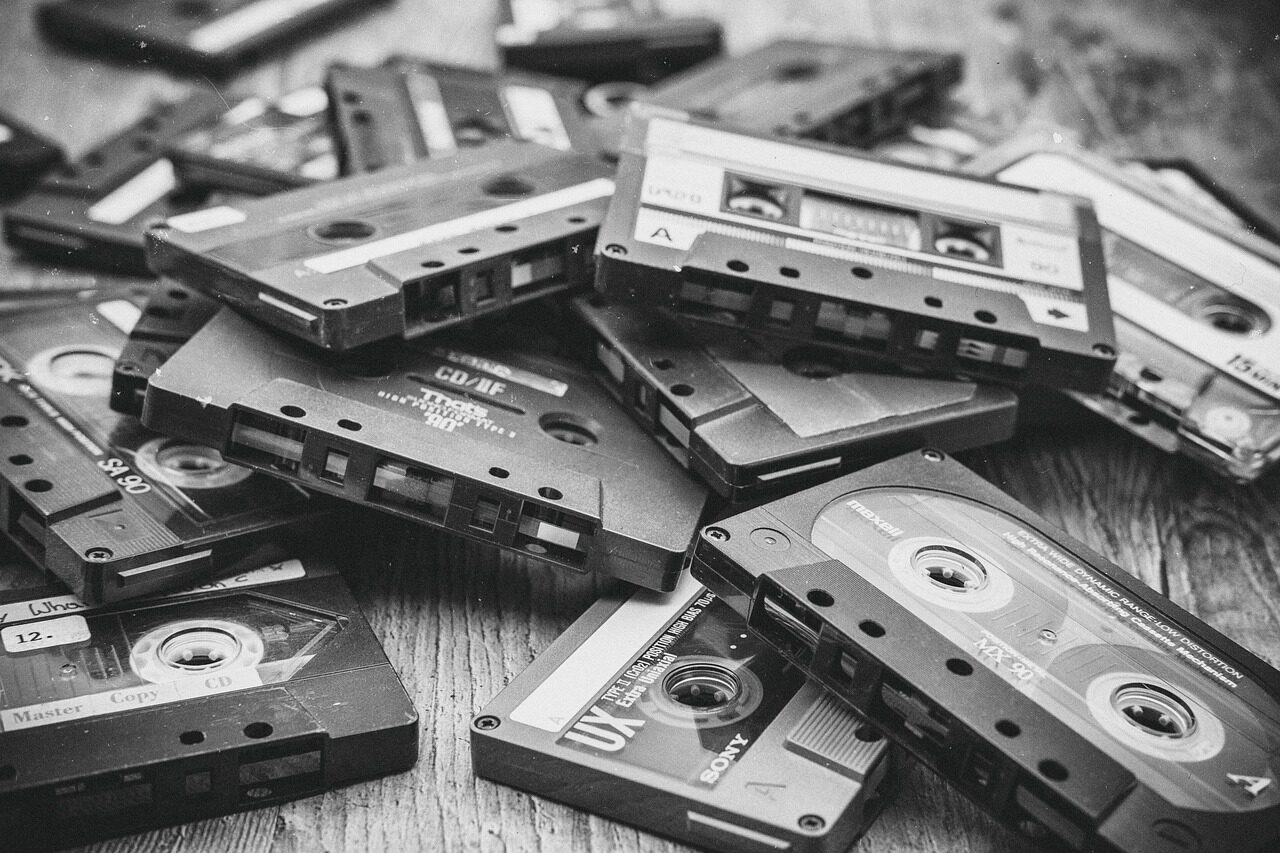
Photo: Bru-nO / Pixabay
“A Mix Should Cost Something to Make”: The Curator Behind Nightjar Tapes
Ilsabet Moorcroft has run a monthly mix series on hand-dubbed cassettes since 2021, limited to 150 copies and never streamed. She explains why scarcity, sequencing and a strict ban on tracklists are the point.
Every month, in a rented room above a bicycle workshop in Leeds, Ilsabet Moorcroft sits down with two cassette decks, a battered Eastmark mixer and a kettle, and duplicates 150 copies of a DJ mix in real time. Each takes 60 or 90 minutes. The run takes the best part of a week. Nightjar Tapes, her series, now has 61 volumes, a waiting list of about 2,000 subscribers and a rule that the mixes will never appear online.
We spoke to her in November, between dubbing sessions, about patience, sound quality and the strange freedom of making something that can’t be skipped.
Nightjar is five years old. Why cassettes at all? It looks like a gimmick from outside.
It was a gimmick, at the start. I’d had a bad run of mixes that vanished into a feed and got 300 plays and a thumbs-up emoji. I wanted something with weight. I’d found a box of blanks in my dad’s loft and I thought, if I have to physically make every copy, I’ll only make mixes I believe in. That’s the whole filter. A mix should cost something to make.
What does it cost you?
About twenty-two pounds a tape in materials, postage and the Saturday I lose to the packing table. But the real cost is the decision. I commission one artist a month. I can’t fix it in the edit, because there is no edit. If the mix is thin, I’ve got 150 thin tapes on my shelf.
Do the artists change how they play, knowing it’s a tape?
Completely. The side break is a gift. A 90-minute mix becomes two 45s, and people think about the flip. Kasimir Odegaard, who did volume 38, built his first side to end on a long decaying chord, so you’d sit there in silence and then turn it over. You’d never do that for a stream, because the algorithm punishes the gap. On tape the gap is part of the piece.
“On tape, you can’t skip to the good bit. So everyone makes a mix with no bad bits.”
You ban tracklists. Is that precious?
A bit. But there’s a reason. The moment there’s a tracklist, people listen with their phone out, identifying. I want them listening with their hands full of washing-up. If a record’s good enough, they’ll find it, and several labels have told me that’s exactly what happened, which is lovely. A small Bristol label sold out a 12-inch within a week of being in a mix, and nobody had a tracklist. They just asked.
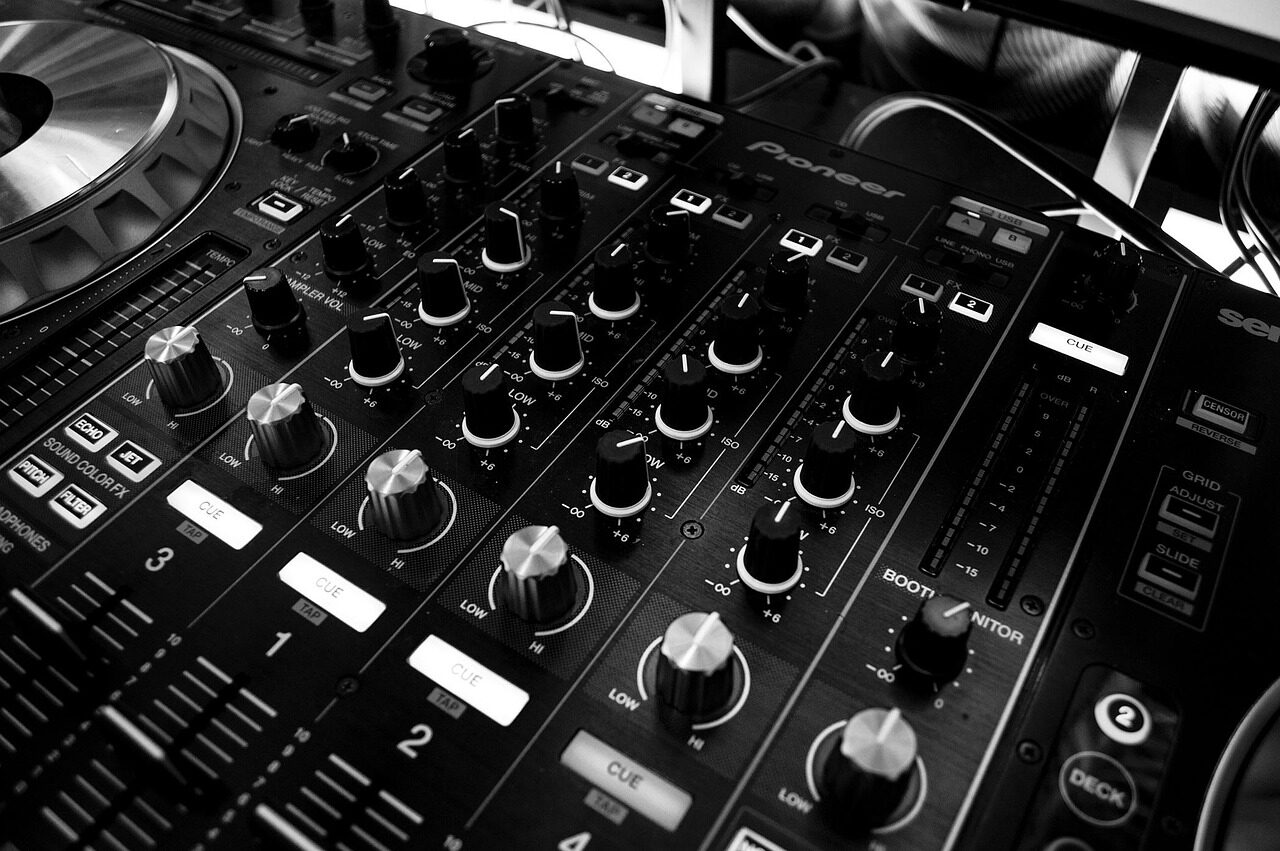
THE DROP · From the crate: Six Months With the Raknes DM-4: A Mixer That Argues With You · Photo: Pexels / Pixabay
Cassettes aren’t known for fidelity. How do you square that with DJs who obsess over sound?
By being honest. I use Type II chrome tape, I dub at a slightly conservative level so the highs don’t saturate, and I tell people it’s a warm, narrow, slightly soft picture of a mix. Some artists love that. Others ask me to master it brighter and I do. A kick on tape compresses in a way I find musical. It’s like someone has put a hand over the speaker, gently.
There’s a collector’s market now. Do you worry you’ve built a speculators’ trap?
I do. Volume 12 went for nearly ten times its price on a resale site and I was furious. So since volume 40 I’ve capped it at one copy per subscriber, tied to a name, and anyone who resells is dropped from the list. I’d rather ten people who play the tape than one who flips it.
What’s the audience like?

From the crate: The Last Field: Can the Mid-Sized Festival Survive 2027? · Photo: OrnaW / Pixabay
More varied than you’d think. A retired joiner in Hull who has every volume. A producer in Seoul who wrote me a four-page letter. Lots of people in their thirties who stopped going out and want the feeling of a night back, in a room with the lamp on.
Is this a business?
Barely. After costs, I clear about nine thousand pounds a year, which I split with the artists. Nobody is going to get rich. I work three days a week at a print shop and the other days are tapes.
Any plans to scale?
People ask for 500 copies and I say no, because the Saturday would become a week and the week would become a factory. What I’d do, if I did anything, is train other people. There’s a woman in Glasgow who wants to start a sister series for ambient and I’ve lent her my second deck.
What’s coming next?
Volume 62 is a Sao Paulo selector who sent me ninety minutes recorded entirely on one afternoon’s walk, no cuts. It’s the best thing I’ve been sent in a year. It’ll be in the post by the first week of December, assuming the kettle holds up.
Nightjar Tapes opens its next subscriber window in January. The waiting list, Moorcroft says, will not be getting longer than the room allows.
Marco tracks the business of music, from label economics to festival finances, after a decade in financial journalism. He works out of Milan.
Every track by Marco →
Conversation (…)