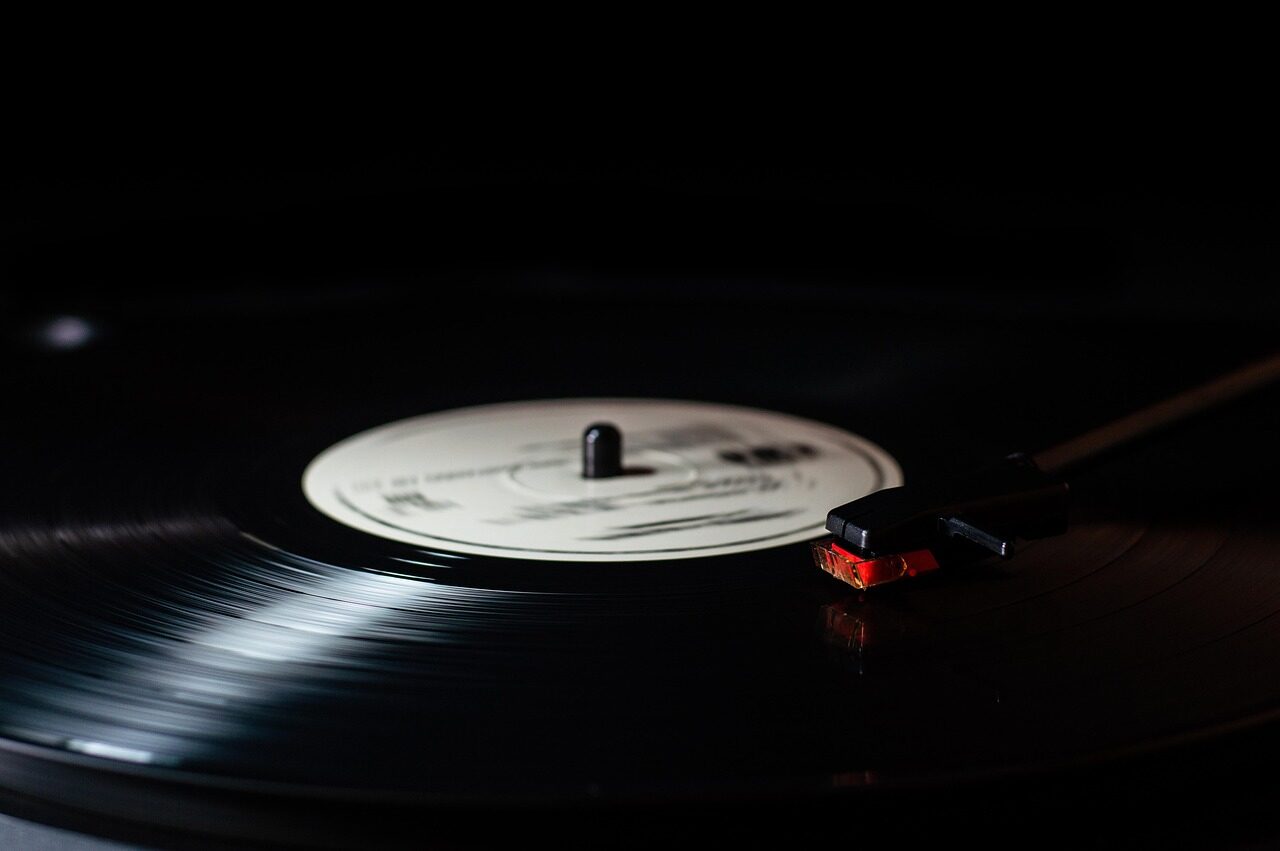
Photo: padrinan / Pixabay
Twenty Minutes Is Plenty: An Argument for the Short Mix
The streaming era taught DJs that longer means more serious. A short mix can be tighter, braver and far more likely to be finished.
Somewhere in the last few years, the mix got fat. Podcast feeds routinely carry ninety-minute sets, and the prestige tier of the format creeps past two hours. A mix under half an hour is treated as a teaser or an apology. I want to argue the opposite: that twenty minutes is the most underrated length in electronic music, and that more DJs should try it.
The finishing problem
Start with the dull, practical fact. Most people do not finish long mixes. Streaming platforms don’t publish completion data for individual sets, but the pattern is visible to anyone who runs a mix series. Ask the people who run one. Ottilie Winstanley-Nwaiwu curates a monthly series called Tin Roof Tapes and says her twenty-two-minute editions have a listen-through rate she estimates at “more than double” the hour-long ones. “People press play on a long mix at the start of a task and wander off,” she says. “A short one gets listened to as a piece of music.”
That difference matters. A mix that is listened to in full can build an argument. One that is half-heard is background.
Constraint is a better editor
A long set forgives you. If a track is mediocre, it passes in the flow. In twenty minutes you have perhaps eight records, and every one must earn its slot. There is nowhere to hide a weak transition or a lazy second half.
Think of the tradition we claim to love. The great radio mixes of the nineties were often an hour because the schedule demanded it, not because the DJ had an hour of ideas. The best early mixtapes ran to the length of a C-60 side, around thirty minutes, because that was the medium. Those limits produced economy. They taught people to start fast, to know where the middle was, and to stop.
When I ask DJs what they would play in twenty minutes, the answers are sharper than anything they’d record for two hours. They skip the warm-up. They put the strange record near the front. They commit.
What a short mix can do that a long one can’t
A short mix can be a single idea. Twenty minutes of nothing but pitched-down garage vocals. Twenty minutes in one key. Twenty minutes where every record is under three minutes long, so the set turns over fifteen times and feels like a switchboard.
THE DROP · From the crate: Six Months With the Raknes DM-4: A Mixer That Argues With You · Photo: Pexels / Pixabay
Those are not formats you can sustain for three hours. They’d be exhausting, or they’d be gimmicks. At twenty minutes they are a thesis.
It is also a better fit for how people live. A twenty-minute mix fits a commute, a walk to the shop, the gap between meetings. It is a format that can be consumed on the way to something else, and then replayed immediately without guilt. Nobody replays a two-hour mix the same afternoon.
The long mix asks for your afternoon. The short one asks for your attention. It’s the better deal.
The objections
The obvious objection is that a club DJ shows skill over time, and a short mix cannot demonstrate a long journey. True, but a mix is not a club set. We have confused the two, and the confusion has made both worse. The club set is a conversation with a room, and the mix is a composition for headphones. They need different lengths.

From the crate: The Last Field: Can the Mid-Sized Festival Survive 2027? · Photo: OrnaW / Pixabay
The second objection is economic. Labels and festivals commission long mixes because they feel like value, and promoters want hours of content to fill a feed. Some mix platforms pay a flat fee regardless of length. In that case the incentive for the DJ is to record less, and for the commissioning editor to ask for more. Both are working against the listener.
The third is that algorithms favour longer sessions. Perhaps. But an algorithm cannot make a bad mix good, and a tight set that gets shared is worth more than a long one that gets skipped.
A modest proposal
Here is a challenge for the next year. If you run a mix series, commission one edition a quarter at under twenty-five minutes. If you are a DJ, record one that you could not possibly pad. Pick eight records and say what you mean.
- Fix a hard limit and respect it.
- Open with the record you’d usually save for later.
- Cut the intro you think is necessary.
- End on the beat, not on the fade.
You might find that the best thing you’ve made all year fits on the side of a tape.
Kwesi reviews studio and DJ hardware and explains production techniques, drawing on years as a mix engineer and sound-design tutor. He is based in Manchester.
Every track by Kwesi →


Conversation (…)