Photo: Surprising_Media / Pixabay
Seven Mixes for the Long Way Home
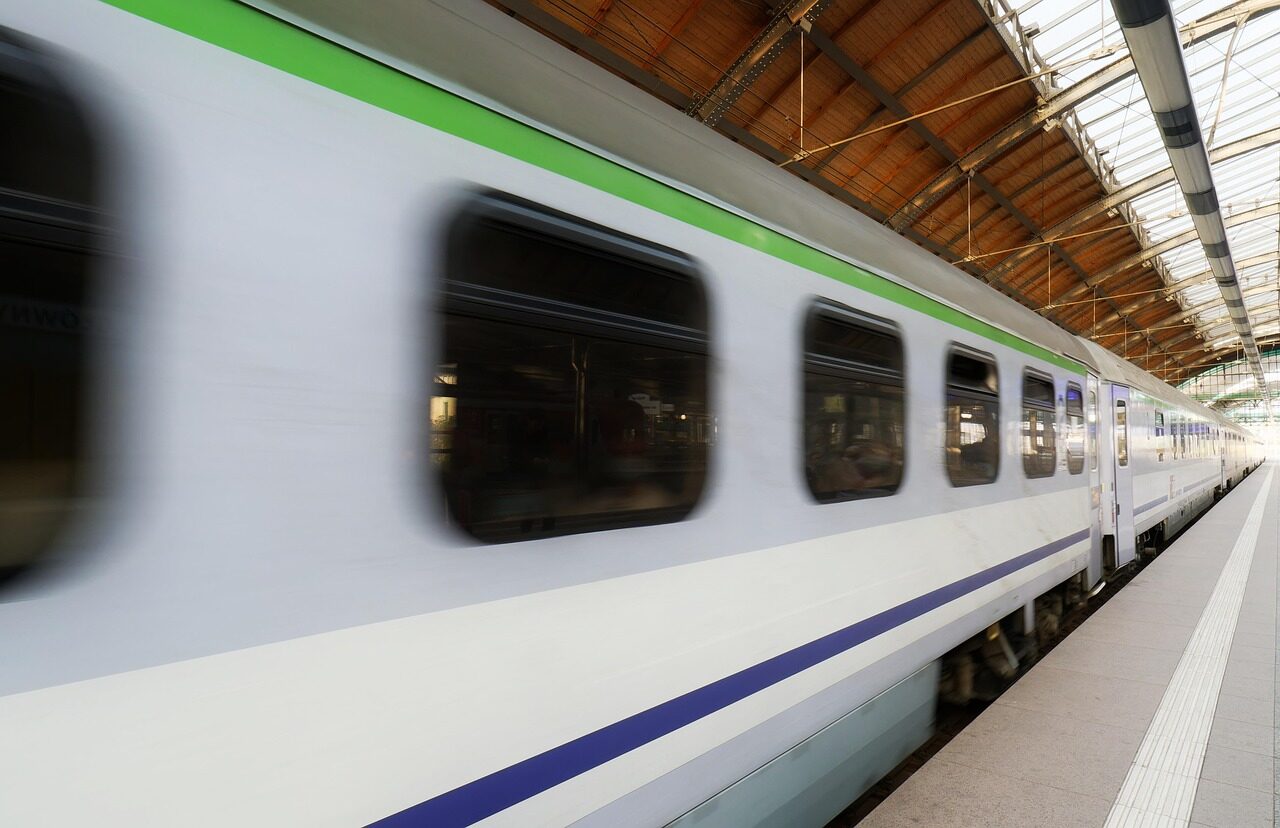
Not warm-up sets, not peak-time bangers: these are the recordings that sound best at 5am on a night bus, a train platform or an empty ring road. Our picks for the comedown commute.
There is a particular kind of mix that has nothing to do with the club it was recorded for. It works when your ears are ringing a little, the sky is going grey and the only thing you have to do is get home. We spent the autumn collecting these. Each one has been played through cheap earbuds, a car stereo and one memorable occasion a phone speaker on a ferry, and each survived. Listed in the order we’d play them.
The first three: soft landings
1. Odile Fenwarden, ‘Sodium Hours’ (71 minutes). Fenwarden recorded this on a single pass in her Lyon flat, using two decks and a tape loop of rain on a car roof. It begins with 90 seconds of nothing but the loop. When the first kick arrives, it is a low, round thing at about 104 BPM, more heartbeat than beat. The middle stretch leans on unreleased edits of 1990s Italian piano house, slowed until the chords smear. The best moment is minute 48, when a vocal sample is allowed to run out of breath rather than being looped. Play it first, while you are still shaky.
2. Dov Kesselman, ‘Concourse’ (58 minutes). A London producer best known for rough, fast garage, Kesselman made this for a friend’s wedding after-party, and it is deliberately free of drops. Think late dub techno played through a lot of reverb, with a station announcement sample used so sparingly you start to listen for it. The final ten minutes are just two pads and a field recording of a tram. Rarely has a DJ shown so much restraint.
3. The Cormorin Collective, ‘For Whoever Is Still Awake’ (94 minutes). A four-person crew from Leeds, taking turns every 20 minutes or so. The handovers are the point: you can hear each person quietly disagreeing with the last about what 6am should feel like. It is warm and slightly untidy, and the sequencing from broken beat into slow disco around the 50-minute mark is the best thing here.
The middle: movement
4. Pilar Tarazona, ‘Ring Road’ (66 minutes). Tarazona, from Manchester, built this around motorway tempos, steady 118 BPM, with a bass that stays under the radar. It is the only mix on the list we’d call driving music, and it was designed to be: she recorded it while doing laps of the M60 with a passenger operating the mixer, a stunt she admits was ‘stupid and also the only way I could get the pacing right’. Do not copy her method.
THE DROP · From the crate: Six Months With the Raknes DM-4: A Mixer That Argues With You · Photo: Pexels / Pixabay
5. Aurelio Tannhaus, ‘Small Rooms, Large Hours’ (82 minutes). Tannhaus is a Berlin-based selector who rarely records, which makes this one count. The track selection is entirely other people’s B-sides: obscure Detroit-leaning electro, a Japanese ambient 12-inch, one gorgeous mislabelled dub. The mixing is plain on purpose. Short blends, no effects, the records doing the work. If you only play one for the sheer pleasure of digging, make it this.
The last two: arrival
6. Wren Pellacott, ‘Porch Light’ (47 minutes). The shortest here and the most tender. Pellacott works almost entirely with her own productions, glassy synths over soft, uneven drums, and she reorders them differently every time she plays live. The version online is the one she recorded the morning after her father’s funeral, which she mentions in the notes and nowhere else. It is the best-sounding thing here on cheap headphones.

From the crate: The Last Field: Can the Mid-Sized Festival Survive 2027? · Photo: OrnaW / Pixabay
7. Ignatius Bell, ‘Last Orders’ (103 minutes). We saved the long one for the end of the journey. Bell is a veteran, 30 years behind the decks in Glasgow and Bristol, and this is a sprawling goodbye to a venue that closed in September. It runs from soul and dub to gorgeous, lopsided techno and finishes with the house music from the venue’s own PA, the crowd singing along, ten seconds of applause, and the sound of a shutter coming down. You will probably not be dry-eyed. You will probably be home by then.
How we listened
All seven were played in full on at least three occasions, one of them at an actual 5am. We ignored play counts and focused on whether a mix held its shape at low volume and with tired ears. A few good mixes failed this test, because a strong set can be tiring when you’re tired. These did not.
If you find one of your own that deserves a place, send it our way. We are always looking for the next one for the night bus.
Kwesi reviews studio and DJ hardware and explains production techniques, drawing on years as a mix engineer and sound-design tutor. He is based in Manchester.
Every track by Kwesi →
Conversation (…)