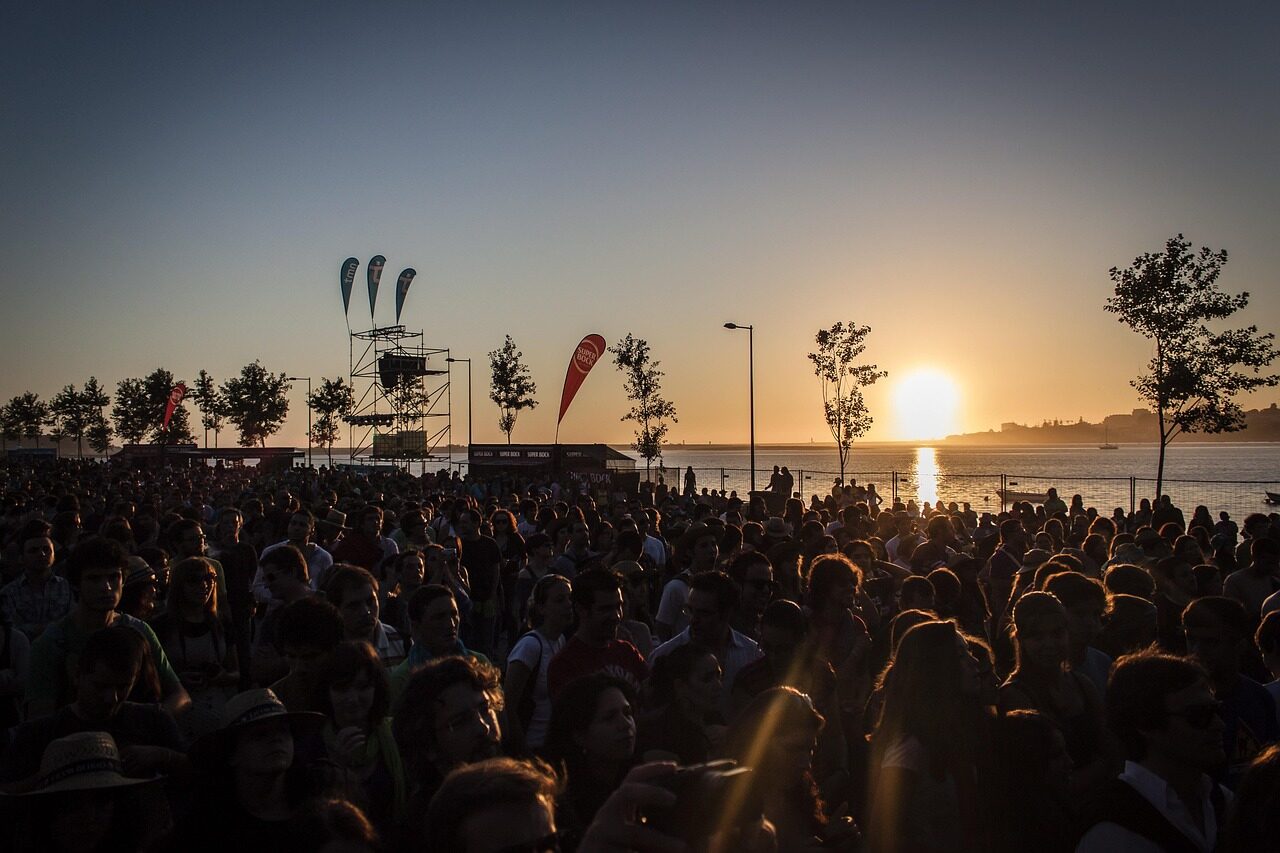
Photo: ruineves / Pixabay
Too Hot to Dance at Four: Southern Europe’s Festivals Are Moving Their Nights
After three summers of heat warnings, promoters from Andalusia to Puglia are shifting main stages to dusk, adding daytime shade and rethinking what a festival day looks like. The new schedule is changing who plays, who pays and who goes home.
At 4:15pm on a July afternoon in the Andalusian hills, the temperature on a festival’s main stage read 41 degrees. The DJ, a veteran house selector who has played that slot four years running, finished his set early. Medics treated 63 people for heat exhaustion that day. Two were taken to hospital in Granada. The promoter, a company called Solana Fields, announced in September that it will never programme a main-stage act before 7pm again.
It is not alone. Across Spain, Italy, Greece and Portugal, festival organisers are quietly tearing up the old running order, and the consequences reach well beyond the thermometer.
A schedule built for a different climate
The afternoon main-stage slot was never an accident. For decades, southern European festivals borrowed the logic of beach clubs: start midday, build to a sunset peak, finish by midnight or later. That model assumed heat as an ambience, not a hazard.
The figures no longer support the assumption. Meteorological services in Spain and Italy recorded record summer highs in each of the last three years, and the number of days above 38 degrees in inland southern Europe has roughly doubled since the early 2010s, according to figures compiled by a Madrid climate research institute. For events with tens of thousands of people standing on dry ground, the risk is not abstract.
“A crowd of 20,000 at 40 degrees is a medical operation,” says Beatrix Danbury-Casares, a festival safety adviser who has worked on events in four countries. “Each one per cent increase in dehydration cases means dozens of people to treat. At some point the tents run out.”
The new day
The emerging solution is a night-shifted festival. Gates open at 5pm or 6pm. Daytime is reserved for shaded sessions: talks, listening rooms, record fairs, swimming. Main stages fire up around 8pm and run until 6 or 7am, so the sets that matter land in the cool.
Solana Fields’ revised timetable is typical. Its 2027 plan, announced last month, shifts its peak from 5pm to 2am. Nearly 70 per cent of its programming hours will fall between 9pm and 7am. The company is also adding 40 per cent more shade structures and a free-water network with 60 refill points, up from 22.
A festival on the Puglian coast, Marea Lunga, went further this summer: it banned amplified music between noon and 6pm entirely. Attendance held at 14,000. Bar revenue dipped slightly in the afternoon but climbed after midnight, and the festival reported fewer medical incidents than any year since 2019.
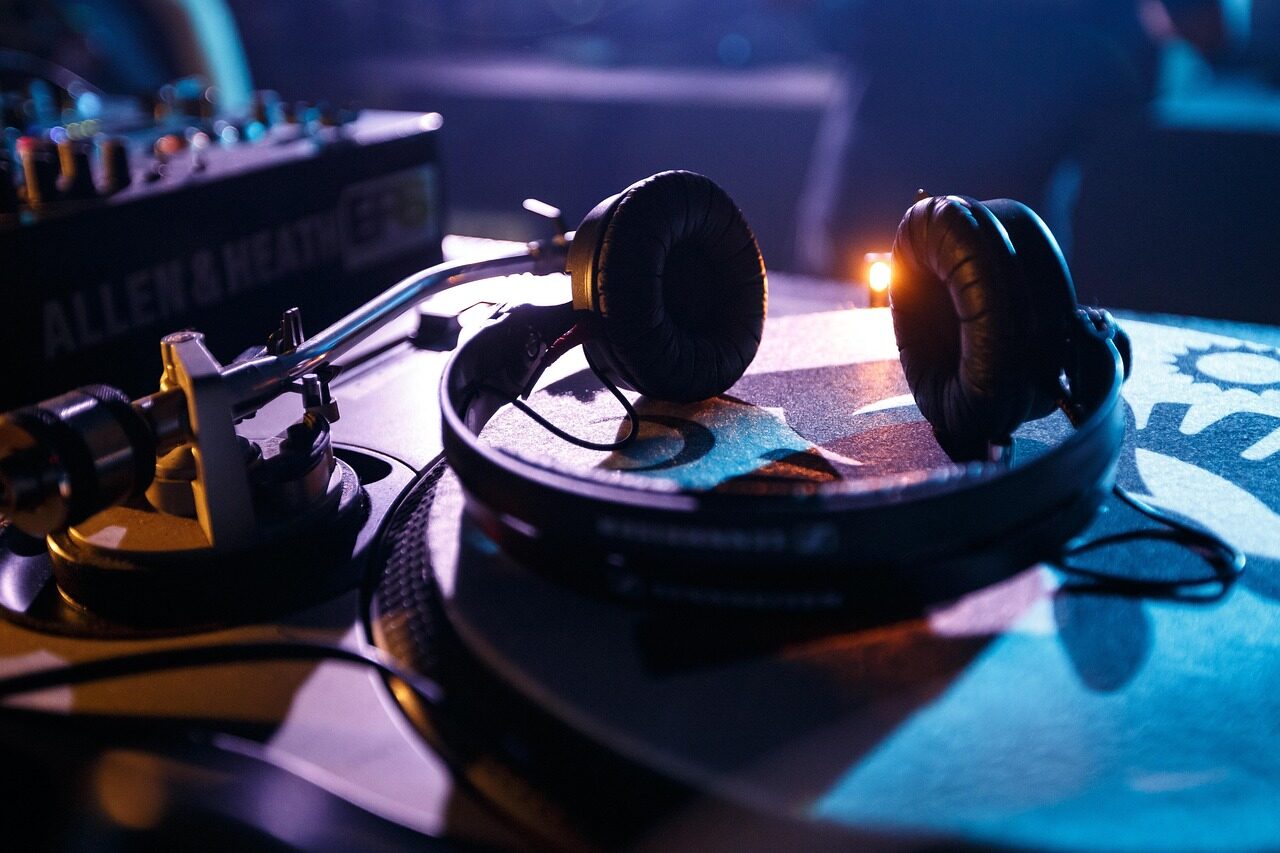
THE DROP · From the crate: The Eight-Hour Mix: Why Marathon Sets Are Quietly Taking Over Streaming · Photo: Gigxels / Pixabay
Who wins, who loses
The change favours some artists and hurts others. Headliners are happy: a 3am slot in front of a full crowd is a better proposition than a 4pm one in front of a half-empty field. But the afternoon slot was where emerging acts and local DJs used to cut their teeth, and those hours are now either empty or turned into curated sessions that skew towards established names.
“It’s become harder to get a first booking,” says Ottavio Brandelli, a Naples-based DJ who has played daytime slots for nine years. “The new schedule has less room, because everyone wants the night. We’re being squeezed into smaller windows.”
Organisers say they’re aware. Several are creating dedicated early-evening stages for locals, and Solana Fields has promised that 30 per cent of its lineup will be from within 200 kilometres.
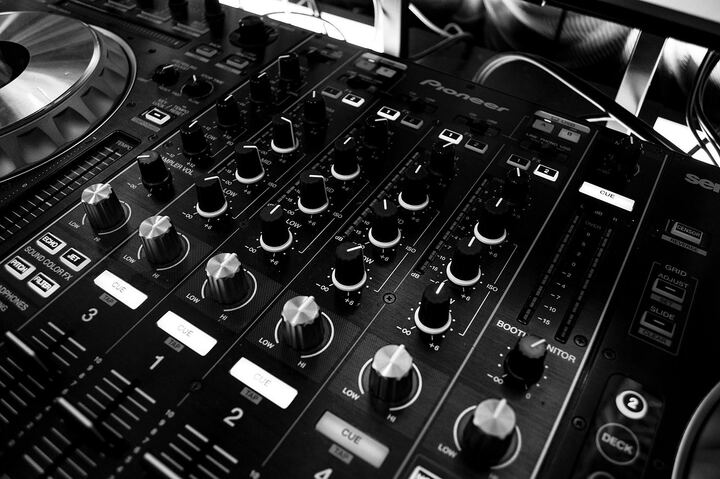
From the crate: Six Months With the Raknes DM-4: A Mixer That Argues With You · Photo: Pexels / Pixabay
There are costs for the audience, too. Night-time festivals put pressure on transport. Last buses at many Spanish sites run at 1am or earlier, and a 7am finish leaves thousands of people with no way home. Several operators are now laying on dawn shuttles, which add roughly 6 to 8 euros per head to operating costs.
A broader shift
The heat is also reshaping the economics. Insurance premiums for outdoor events in southern Europe rose by an average of 18 per cent in 2026, according to one broker’s estimate, with some insurers now demanding heat-management plans as a condition of cover. Festivals that can’t show shade, water and medical capacity are paying more or being refused altogether.
Danbury-Casares thinks the shift is overdue. “We’ve treated the sun as an aesthetic,” she says. “The sound of a festival at sunset is beautiful, but it’s not sacred. People will dance at 3am just as hard, and nobody gets carried out on a stretcher.”
For ticket buyers, the message is practical: pack a torch, book a bed, and sleep through the afternoon. The kick drum will wait until dark.
Marco tracks the business of music, from label economics to festival finances, after a decade in financial journalism. He works out of Milan.
Every track by Marco →

Conversation (…)